Emergency Flood Cleaning Tips for Pembridge Villas Homes
Posted on 22/05/2026
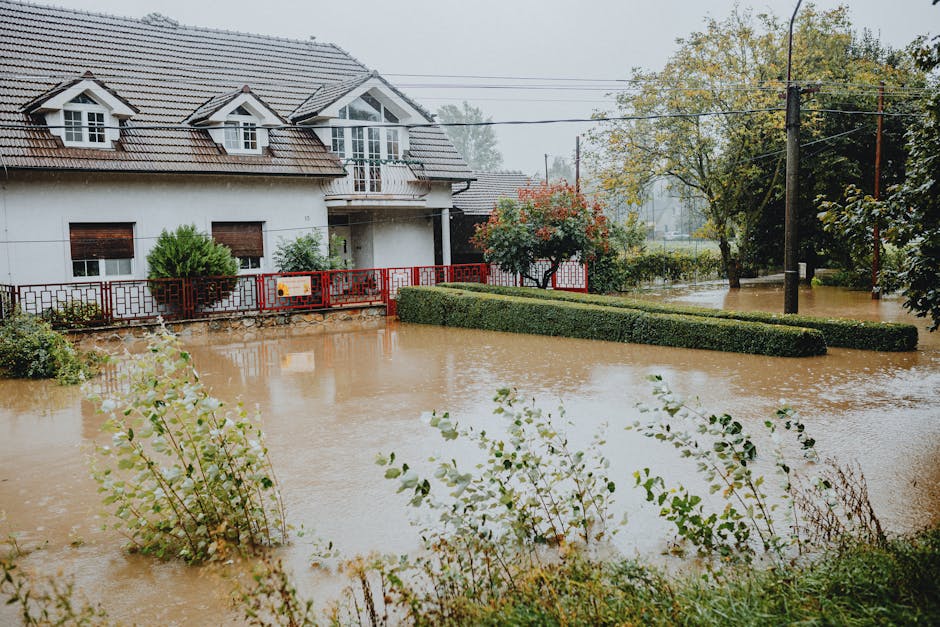
When water turns up where it should never be, the first few minutes matter more than most people realise. A burst pipe, an overflowing appliance, a backed-up drain after heavy rain, or even a small leak that's been quietly building for hours can all leave a Pembridge Villas home feeling a bit overwhelmed. Floors go soft, carpets start to smell, skirting boards swell, and suddenly you're juggling towels, phone calls, and a very inconvenient mess. This guide on Emergency Flood Cleaning Tips for Pembridge Villas Homes is here to help you think clearly, act quickly, and avoid the mistakes that make flood damage worse.
You'll find a practical step-by-step response, what to prioritise in a period or townhouse setting, how to reduce the chance of mould, and when a professional clean-up is the sensible next move. Truth be told, flood clean-up is rarely glamorous, but a calm plan makes a huge difference.

Why Emergency Flood Cleaning Tips for Pembridge Villas Homes Matters
Pembridge Villas homes often have a mix of older features and carefully maintained interiors, which makes flood damage feel extra disruptive. Original timber floors, fitted carpets, decorative plasterwork, and upholstered furniture can all react badly to standing water or persistent damp. If the water is dirty, the situation escalates quickly. Even clean water can become a problem if it sits for long enough.
The main issue is not just what you can see. Hidden moisture slips under floor coverings, behind furniture, and into gaps around the edges of rooms. That's where odours, mould, staining, and structural damage start to build. So the point of emergency flood cleaning is not simply to "mop up". It's to stabilise the home, remove moisture, and prevent a small incident from becoming a bigger one.
For local homeowners, landlords, and tenants, this matters for another reason too: the faster the response, the more likely it is that carpets, upholstery, and room contents can be saved. If you're comparing options for broader after-incident support, services like deep cleaning in Notting Hill and specialist carpet cleaning can be useful next steps once the area is safe and dry enough to treat properly.
Key point: the goal is speed, but not panic. Fast action, taken in the right order, protects both the property and your sanity. And that, to be fair, is half the battle.
How Emergency Flood Cleaning Tips for Pembridge Villas Homes Works
Emergency flood cleaning is a process, not a single task. It starts with safety, moves into water removal, then drying, cleaning, disinfection if needed, and finally checking for hidden damp. In a real home, those steps can overlap a bit. You may be moving rugs while also ventilating rooms and protecting furniture. That's normal.
Here's the simple logic behind it:
- Stop the source if you can do so safely.
- Make the area safe by avoiding electrical hazards and slippery floors.
- Remove standing water using towels, mops, wet vacs, or extraction equipment.
- Lift and separate anything that traps moisture, such as rugs and cushions.
- Dry the room thoroughly with airflow, dehumidification, and patience.
- Clean and treat surfaces once the excess water is gone.
- Monitor for lingering damp over the next 24 to 72 hours.
The trick is knowing what not to rush. For example, scrubbing a soaked carpet too early can spread dirt deeper into the fibres. Likewise, putting furniture back too quickly can trap moisture against wood or fabric. If you want a broader sense of how home cleaning services fit around urgent situations, you may also find house cleaning support in Notting Hill and domestic cleaning services helpful once the immediate flood response is over.
In a Pembridge Villas property, there's often a bit more care needed around original finishes and fitted details. So the method has to be practical and gentle. No heroics. Just the right sequence.
Key Benefits and Practical Advantages
Good emergency flood cleaning does more than make a room look decent again. It protects the home in ways that are easy to miss on day one.
- Reduces long-term repair costs by limiting the spread of water damage.
- Helps prevent mould growth by getting moisture out before it settles in.
- Protects carpets and upholstery from permanent staining and odour.
- Preserves timber and joinery by lowering the risk of swelling or warping.
- Improves indoor air quality once wet materials are removed and aired properly.
- Makes insurance conversations easier because you've documented the response.
There's also a psychological benefit, which people don't always mention. A flooded room can feel chaotic and oddly personal. Once you start clearing water, lifting items, and seeing the space dry out, the panic tends to ease. Little by little, the house feels like yours again.
If flood damage has affected fabrics or seating, a specialist service such as upholstery cleaning in Notting Hill can be useful once materials have dried enough for proper assessment. For carpets, the local guide on carpet care best practices in W11 offers helpful context for maintaining flooring in a busy London home.
Who This Is For and When It Makes Sense
This advice is for anyone dealing with sudden water ingress in a home, flat, or managed property in and around Pembridge Villas. That includes homeowners, tenants, landlords, estate managers, and anyone responsible for a property that needs quick, sensible damage control.
It makes sense to use these tips when you notice:
- water pooling on floors after a leak or overflow
- damp carpets, rugs, or underlay
- a musty smell after heavy rain
- stained skirting or bubbling paint near the floor
- softened wood, swollen joinery, or lifting flooring edges
It also makes sense if you're in the middle of a tenancy change, property handover, or post-incident inspection. In those cases, flood cleaning is not just about tidiness. It's about evidence, condition, and making sure the home is safe to occupy again. For landlords and occupiers alike, that can save a fair amount of back-and-forth later on.
If you're unsure whether the issue is serious enough for professional help, a good rule is simple: if the water reached under flooring, into furniture, or was left for more than a short time, it's usually worth speaking to a specialist. You can learn more about broader support through the services overview or request tailored advice via the contact page.
Step-by-Step Guidance
Below is a practical order of operations. It's not fancy. It works.
- Put safety first. If water is near sockets, appliances, fuse boxes, or extension leads, avoid the area until it's safe. Do not step into water if you suspect electrical risk.
- Identify the source. Shut off the water supply if the leak is internal and you can do so without danger. If it's from outside or from a blocked drain, note that the approach changes.
- Move valuables and soft furnishings. Lift cushions, books, baskets, shoes, and anything that can soak up moisture fast.
- Photograph the damage. Before you clean too much, take clear pictures for records. A quick phone video helps too. Nothing dramatic, just useful.
- Remove standing water. Use towels, a mop, or a wet vacuum if you have one. Work from the edge of the wet area inward so you don't spread the mess.
- Lift carpets or rugs carefully. If the area allows, raise rugs and check underneath. Carpets may need professional extraction if the underlay is soaked.
- Ventilate the space. Open windows where possible, but only if the outside conditions help drying. If rain is still coming in, use internal airflow and dehumidifiers instead.
- Separate items for drying. Keep wet textiles apart rather than stacked. A pile of damp towels dries slowly and can smell before you know it.
- Clean hard surfaces. Once visible water is removed, wash floors and affected surfaces with appropriate cleaning products. Use gentle methods on period features and delicate finishes.
- Dry thoroughly. This is the part people underestimate. Surface-dry is not the same as properly dry. Give the space time and keep checking it.
- Inspect for hidden moisture. Smell, touch, and look for changes in paint, skirting, flooring edges, or carpet backing over the next couple of days.
- Call in help if needed. If the area is large, heavily contaminated, or not drying, professional flood and cleaning support is the sensible move.
A small but important note: if the water is contaminated, treat everything with more caution. Muddy water, sewage-related water, or water that has sat too long should not be handled as if it were a simple spill. That's not being overcautious; it's just common sense.
Expert Tips for Better Results
These are the sort of practical details that tend to make the biggest difference.
- Work from clean to dirty only if the water is clean. If contamination is involved, do the opposite and use protective materials.
- Raise furniture legs on foil, blocks, or protective pads if moisture is still present under them. That helps stop stains from transferring.
- Check beneath sofas and cabinets early. Water loves to hide in low-visibility spots. Sneaky little thing.
- Keep a fan running across the room, not directly at one wet patch. A wider airflow pattern usually works better.
- Do not seal a room up to "keep the moisture in". That sounds tidy, but it can worsen odours and damp.
- Use caution with old timber floors. They may look fine for a day and then cup or lift later if moisture lingers.
- Let fabrics dry fully before shampooing. Cleaning too early can lock dirt deeper and make the fabric harder to restore.
One of the best habits is to take a second pass 24 hours later. People often do a good initial clean, then assume the job is done. But the real trouble sometimes starts after the first night, when the room is quiet and humidity has had time to work. Slightly annoying, yes. Also predictable.
If the flood has left you thinking the whole home needs a reset, a service like one-off cleaning in Notting Hill can be a useful follow-on once emergency drying is complete. For a deeper seasonal refresh after repairs, spring cleaning support may help restore the home more fully.
Common Mistakes to Avoid
Flood clean-up goes wrong in fairly predictable ways. The good news is that most of them are avoidable.
- Waiting too long. Even a short delay can let moisture spread into materials you can't see.
- Using too much heat too quickly. Blasting a room with strong heat can dry the surface while leaving the inside damp.
- Replacing furniture too soon. That traps moisture and can stain finishes.
- Scrubbing carpets aggressively. This can force dirt deeper and damage pile structure.
- Ignoring odour. A musty smell usually means moisture is still present somewhere.
- Using household products blindly. Some cleaners are too harsh for natural fibres, wood, or older finishes.
- Forgetting hidden corners. Behind skirting, under mats, and beneath large furniture are classic problem spots.
The biggest mistake? Pretending it's smaller than it is. A little patch of water on the surface can hide a much bigger issue beneath. If you've ever stepped on a floor that looked dry but felt oddly soft, you'll know exactly what I mean.
Tools, Resources and Recommendations
You do not need a van full of equipment to start. But a few sensible tools make a flood response far easier.
| Tool or Item | What It Helps With | Best Use |
|---|---|---|
| Microfibre cloths | Quick surface removal and blotting | Small spills and edges around skirting |
| Mop and bucket | Basic water control | Hard floors with manageable pooling |
| Wet vacuum | Extracting larger volumes of water | Carpets, rugs, and tiled floors |
| Dehumidifier | Lowering indoor humidity | Rooms that need steady drying |
| Fans | Improving airflow | Supporting even drying across the room |
| Protective gloves | Reducing contact with dirty water | Any contaminated or uncertain floodwater |
For larger situations, a local professional team can bring extraction equipment, drying know-how, and a more careful approach to soft furnishings. If you are comparing options or want to understand what a proper response might include, pricing and quotes information can help set expectations, and a quote request is the straightforward next step.
It can also help to browse related local content, such as the upholstery care guide for Victorian homes near Ladbroke Grove if your flood incident has affected seating, armchairs, or other fabric items.
Law, Compliance, Standards, or Best Practice
Flood cleaning at home is usually guided more by best practice than by a single rulebook. Still, there are some sensible standards to keep in mind.
If the property is rented, both landlord and tenant responsibilities may come into play depending on the cause of the flooding and the terms of the tenancy. If communal areas, shared pipework, or building systems are involved, a managing agent or freeholder may also need to be told promptly. That's why keeping a record of the incident matters. Photos, timings, notes, and any communications can all be useful later.
For health and safety, avoid unnecessary exposure to dirty water, mould, or electrical risks. If contamination is likely, basic protective gear is sensible. And if the property has older materials, take extra care. Period homes can behave differently from modern ones, especially where timber, plaster, or decorative finishes are involved.
On the service side, it is worth checking that any cleaning provider has clear safety procedures and appropriate insurance. Pages like insurance and safety and the health and safety policy are useful signals when you are deciding who to trust. In a real flood situation, transparency matters a lot. No one wants vague answers when the floor is still damp.
If there is structural damage, persistent damp, or electrical concern, the right next step may be a qualified building or trade specialist rather than just a cleaning service. Flood cleaning helps with restoration, but it does not replace repair when repair is needed.
Options, Methods, or Comparison Table
Different flood situations call for different responses. Here's a simple comparison to help you decide what makes sense.
| Method | Best For | Limitations | Typical Next Step |
|---|---|---|---|
| DIY towel-and-mop response | Very small clean-water spills | Limited drying power; easy to miss hidden moisture | Monitor closely and ventilate |
| Wet vacuum plus ventilation | Moderate clean-water flooding on hard floors or carpets | May not dry underlay or subfloor properly | Add dehumidification and recheck after 24 hours |
| Professional extraction and drying | Larger incidents, soaked carpets, repeated leaks | Costs more than DIY | Detailed assessment and follow-up cleaning |
| Specialist cleaning for fabrics and upholstery | Furniture, cushions, delicate textiles | Only suitable once moisture level is under control | Targeted stain and odour treatment |
In Pembridge Villas homes, the safest choice is often a mixed approach: immediate DIY containment followed by professional assessment if any part of the room stays damp, smells off, or shows signs of staining. That middle ground is often overlooked. It shouldn't be.
Case Study or Real-World Example
Imagine a ground-floor room in a Pembridge Villas home after an overnight leak from a washing machine hose. By morning, there is water around the appliance, a soaked rug, and a patch of carpet near the wall that feels heavy underfoot. The first instinct might be to keep mopping the visible area and move on.
That would miss the bigger issue. In this sort of scenario, the water can travel beneath the carpet edge and under furniture skirting. The right response is to stop the water source, unplug anything nearby only if it is safe, lift the rug, photograph the area, extract as much water as possible, and begin drying with ventilation and a dehumidifier. If the carpet is thick or the underlay is saturated, a professional inspection is worth considering. A few hours of careful action can make the difference between a recoverable clean and a full replacement. Not a small difference, either.
This sort of situation is exactly why local knowledge matters. Homes close to the centre of London often combine compact layouts with valuable finishes and busy schedules. For readers thinking more broadly about the area and property types, the relocation guide for Notting Hill and property market insights give useful context on the homes people are looking after here.
Sometimes the lesson is simple: act early, dry slowly, and do not assume the worst is over just because the floor looks better. Flood damage can be a bit sneaky like that.
Practical Checklist
Use this quick checklist if floodwater has entered your home.
- Turn off the water source if it is safe to do so.
- Check for electrical hazards before entering the affected area.
- Move people, pets, and valuables away from the wet space.
- Take photos and notes before deep cleaning.
- Remove standing water with towels, mop, or wet vacuum.
- Lift rugs, cushions, and movable furniture.
- Open windows or use airflow and dehumidifiers to start drying.
- Clean hard surfaces with suitable products.
- Watch for odour, swelling, or soft spots over the next 48 hours.
- Contact a professional if the area is large, contaminated, or still damp.
Expert summary: the best emergency flood response is calm, fast, and methodical. Remove water, protect materials, dry the home fully, and don't skip the hidden corners. If you do that well, you give the property the best possible chance of avoiding lasting damage.
Conclusion
Flooding in a Pembridge Villas home is stressful, but it does not have to turn into a long-term mess. The practical steps are straightforward: stay safe, stop the source, remove water, dry everything properly, and keep an eye out for hidden moisture. The homes in this part of London often deserve a bit more care than a standard wipe-down, especially where carpets, timber, and upholstered furniture are involved.
Handled well, emergency flood cleaning protects both the property and the people in it. Handled badly, it can leave behind smells, stains, and repairs that take far longer to fix. So take it seriously, but keep your head. That first hour counts, and the next day matters too.
If you need help with a wet carpet, damaged upholstery, or a home that needs a proper post-flood refresh, the safest next step is to speak with a trusted local cleaning team. A quick conversation can save a lot of guesswork later.
Get a free quote today and see how much you can save.