Kensington and Chelsea Council Rules for Hazardous Waste
Posted on 18/06/2026
Kensington and Chelsea Council Rules for Hazardous Waste: What Residents and Businesses Need to Know
If you have ever found an old tin of paint, a leaky bottle of bleach, a broken fluorescent tube, or a half-used chemical cleaner at the back of a cupboard, you already know the awkward bit: hazardous waste is not the sort of thing you can just bundle up with the weekly rubbish. Kensington and Chelsea Council Rules for Hazardous Waste are there to keep people safe, protect collections staff, and stop dangerous materials from ending up where they should not. This guide breaks the process down in plain English, so you can sort, store, and dispose of hazardous items without second-guessing yourself. And yes, there is a sensible way to do it.
Whether you are a householder, landlord, cleaner, facilities manager, or small business owner, the key is the same: identify the waste properly, keep it separate, and use the right disposal route. It sounds simple. In practice, people often get tripped up by labels, mixed waste, or the assumption that "it's only a small amount" so it must be harmless. Let's face it, that's where mistakes happen.
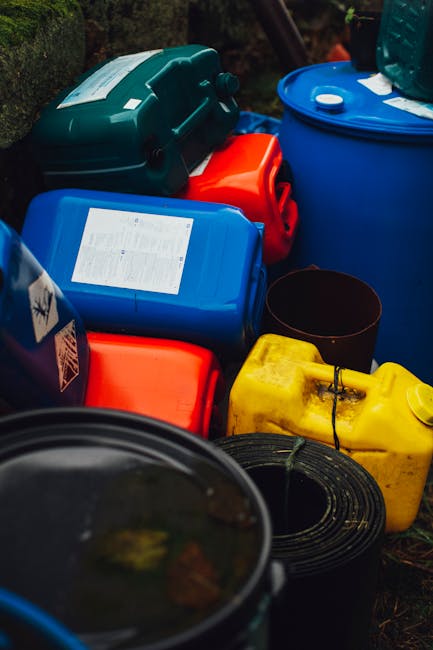
Why Kensington and Chelsea Council Rules for Hazardous Waste Matters
Hazardous waste is anything that can cause harm to people, property, or the environment if it is handled badly. That includes corrosive liquids, solvents, pesticides, batteries, aerosols, oils, some cleaning products, certain electronics, paint, and items contaminated by chemicals. In a dense borough like Kensington and Chelsea, where homes, flats, gardens, and commercial premises sit close together, poor disposal creates a very real nuisance: odours, leaks, fire risk, contamination, and in some cases exposure to hazardous fumes.
The council's approach matters because local waste services are designed around safety and separation. If hazardous material is mixed with ordinary household rubbish, it can damage collection systems, put workers at risk, and create delays for everyone else. That is especially relevant in shared buildings and estates, where one careless disposal choice can affect a whole block. If you have ever seen a bin store turn into a bit of a mess after a weekend clear-out, you will know how quickly a small mistake becomes a larger one.
There is also the simple matter of responsibility. Under UK waste principles, the person producing the waste usually remains responsible for classifying it correctly and ensuring it goes to an appropriate route. For businesses, that duty is even more important. For households, the expectation is still clear: do not treat hazardous items like general waste. Separate them, store them safely, and use the collection or drop-off method that fits the item.
Expert summary: The safest way to think about hazardous waste in Kensington and Chelsea is this: if it can burn, corrode, poison, explode, leak, or contaminate, pause before disposing of it. Identify it first. Dispose of it second.
That small pause is often the difference between a smooth disposal and a stressful one.
How Kensington and Chelsea Council Rules for Hazardous Waste Works
The process is usually less mysterious than people expect. First, you identify whether the item is actually hazardous. Then you decide whether it can be taken through a council-approved household route, a special collection, a recycling or return scheme, or a licensed commercial waste service. The exact route depends on the type of waste, the quantity, and whether it came from a home or a business.
For household waste, many common hazardous items are handled through designated disposal arrangements rather than normal bins. For example, you would not place paint thinners, unwanted chemicals, or used motor oil in general waste. Items like batteries and some small electricals may have separate recycling or return options. Larger or more unusual items may need to be stored securely until a collection or drop-off can be arranged.
For businesses, the expectations are stricter. Commercial premises generate waste that must be sorted, documented where required, and removed by appropriate means. If you run a shop, office, cafe, or property maintenance service, it is worth treating hazardous waste as a formal part of your housekeeping routine, not an afterthought. A tidy back-of-house area is one thing; a safe waste system is another. The difference matters.
In practical terms, the workflow usually looks like this:
- Identify the item and check the label, container, or source of contamination.
- Keep incompatible items apart, especially anything flammable, corrosive, or oxidising.
- Store the waste in its original container where possible, or a clearly labelled replacement container if that is no longer safe.
- Do not overfill containers or decant chemicals into food or drink bottles.
- Use the local route that matches the waste type, quantity, and source.
- Keep records if you are a business, landlord, or managing agent.
One thing people often miss is compatibility. Bleach and ammonia-based products should never be mixed. Solvents and certain cleaning agents can also react badly if stored together. If you are clearing a cupboard after a long period, take your time. Smell each container only cautiously, and do not lean over unknown liquids. Truth be told, the sensible move is often the boring one: leave it sealed, label it, and move on.
If your day involves domestic or commercial cleaning work, the subject can overlap with everyday hygiene routines too. A lot of our readers come across hazardous residues while doing a deep tidy or a tenancy clean. If that sounds familiar, the practical advice in our deep cleaning guide for Notting Hill homes and flats may help you spot issues earlier, before they become a disposal problem.
Key Benefits and Practical Advantages
Following the right hazardous waste process is not just about compliance. It makes life easier, cleaner, and safer. That sounds obvious, but the benefits are worth spelling out because people tend to focus only on the inconvenience.
- Reduced risk of accidents: Proper segregation lowers the chance of leaks, fumes, or reactions in storage.
- Cleaner bin areas: Shared refuse spaces stay more manageable when hazardous items are kept out of general waste.
- Better compliance: Businesses avoid messy, avoidable waste-handling problems.
- Fewer collection disruptions: Mixed waste can cause delays, refusals, or extra handling.
- Peace of mind: You know the item has gone through the right route, rather than hoping for the best.
There is also a subtle financial advantage. When hazardous waste is handled properly, you are less likely to face damage from spills, contamination, or emergency clean-up work. A leaking container in a cupboard can stain flooring, damage storage, and create a smell that lingers. If you have ever opened a broom cupboard and been hit by that sharp chemical note, you know how quickly the whole space can feel off.
For landlords and letting agents, there is a separate benefit: better handover standards. Clear hazardous waste procedures help during end-of-tenancy checks, particularly where previous occupants may have left batteries, old cleaners, or paint tins behind. If you deal with rented property regularly, it can be useful to pair waste handling with a proper property-clearance routine, similar to the process described in our end of tenancy cleaning service information.
Who This Is For and When It Makes Sense
This guidance is relevant to a lot of people, not just those doing a full clear-out.
Households
If you are cleaning under sinks, clearing a shed, emptying a utility cupboard, or tidying after decorating, you may find old hazardous items tucked away. That includes leftover paint, aerosols, solvent cleaners, batteries, and broken light bulbs.
Landlords and letting agents
Vacant properties often reveal the odd surprise. Half-used chemicals, old sealants, and forgotten batteries can show up during pre-let inspections. Handling them properly saves time later.
Cleaning teams
Professional cleaners can encounter hazardous residue during deep cleans, post-tenant cleans, or flood recovery. A clear internal process helps prevent staff from mixing incompatible products or moving unknown waste without checking first.
Small businesses
Shops, offices, salons, workshops, and hospitality venues generate more than ordinary rubbish. Cleaning chemicals, toner cartridges, batteries, fluorescent tubes, and maintenance waste all need proper treatment.
Property managers and caretakers
Shared bin areas, service rooms, and plant spaces often accumulate waste that nobody claims as theirs. In those cases, a routine inspection is worth its weight in gold.
If you are comparing neighbourhood logistics, especially around busy streets and shared entrances, you may also find it helpful to read a local guide to navigating Notting Hill's streets. Access and timing can matter more than people expect when waste needs to be moved safely.
To be fair, almost anyone managing a property in this part of London eventually runs into some version of this issue. It is normal. The trick is dealing with it calmly.
Step-by-Step Guidance
Here is a straightforward way to deal with hazardous waste without overcomplicating it.
- Stop and assess the item. Ask whether it is flammable, toxic, corrosive, pressurised, or contaminated.
- Read the label carefully. Look for warning symbols, product names, and any storage advice.
- Do not mix contents. Keep different chemicals separate, especially if the labels are missing or damaged.
- Seal containers properly. If the original lid is missing, use a secure temporary closure and keep it upright.
- Store away from heat and children. A cool, dry, ventilated place is usually best, but keep items away from food and living areas.
- Sort by type. Group batteries, aerosols, paints, oils, bulbs, and chemicals separately.
- Choose the right disposal route. Households and businesses may need different collection or handling methods.
- Prepare for transport if needed. Use a sturdy box or tray, and avoid letting containers roll around loose in a car boot.
- Clean the area afterwards. If a container has leaked, deal with the spill safely before returning items to the cupboard.
A useful habit is to keep one labelled box for "hazardous items to review." That way, you do not leave an uncertain product in the wrong cupboard for months on end. A bit dull, yes. Very effective, also yes.
If the waste came from a larger clear-out or renovation, you may want to line up the rest of the property clean-up in the same pass. Our one-off cleaning page is a good reference point for that kind of short-term, intensive reset.
Expert Tips for Better Results
In our experience, the best hazardous waste handling is mostly about preparation. The actual disposal step is often the easy bit once you have sorted the details.
- Keep original packaging whenever possible. Labels tell you what is inside, and that matters if something later needs to be identified.
- Photograph unclear items before moving them. If you need to ask for advice later, a photo is often more useful than a vague description.
- Do not puncture aerosols. Even empty cans can retain pressure.
- Separate batteries from metal objects. Loose batteries in a drawer with keys or coins are asking for trouble.
- Use gloves for unknown residues. Not fancy ones. Just practical protection for routine handling.
- Ventilate the space. Open a window if it is safe to do so, especially with chemical products or damp contaminated waste.
- Check for hidden contamination. A bottle may be "empty" but still have residue on the outside.
One small but important tip: never pour hazardous liquid down a sink unless you are explicitly certain it is safe and permitted for that product. That shortcut can create plumbing issues, safety risks, and environmental problems. It is one of those ideas that sounds efficient and is, frankly, a bad bargain.
For homes with older fixtures or delicate interiors, spills can spread quickly into carpets, skirting boards, or upholstery. If a product gets onto soft furnishings, a prompt and careful response matters. You may find it useful to review upholstery cleaning support alongside your waste plan, because contaminated fabrics often need different treatment from hard surfaces.
![A red clinical waste bin with a lid, positioned on a concrete pavement near a street. The bin features a hazardous biohazard symbol and a 'Clinical Waste' label. It has four black caster wheels, with some metallic components visible at the base. In the background, part of a vehicle and pedestrians walking along the sidewalk are visible, with natural daylight illuminating the scene. The image is related to waste management and hygiene protocols, reflecting cleanliness and safety practices that [COMPANY_NAME] promotes for residential and commercial cleaning services in accordance with Kensington and Chelsea Council rules for hazardous waste.](/pub/blogphoto/kensington-and-chelsea-council-rules-for-hazardous-waste2.jpg)
Common Mistakes to Avoid
Most hazardous waste mistakes are not dramatic. They are ordinary, casual errors. And that is why they happen so often.
- Putting hazardous items in general waste: This is the big one. A single wrong item can cause a chain of problems.
- Mixing products in one container: This can create fumes, heat, or pressure.
- Using food containers for chemicals: Dangerous and confusing. Never do it.
- Leaving lids loose: Even a small leak can spread odour and residue.
- Ignoring old batteries and bulbs: These are small, but they still need the right route.
- Assuming "empty" means safe: Residual product still counts.
- Not checking business obligations: Commercial waste is not the same as household disposal.
A very common scenario is the post-decorating clear-up. Paint tins, white spirit, masking tape, and solvent wipes all get shoved together "just for now." Then someone forgets about them. Three months later, you have a shelf of questionable containers and a smell that only gets stronger on warm days. Not ideal.
If your task is linked to moving out, moving in, or resetting a property after a sale, it can be worth planning the hazardous waste step alongside wider property tasks. Readers looking at local property logistics sometimes also explore our local property-buying guide, especially when they are thinking about inspections, storage, and handover cleanliness in one go.
Tools, Resources and Recommendations
You do not need a huge kit, but a few basic items make hazardous waste handling far easier and safer.
| Item | Why it helps | Best use |
|---|---|---|
| Heavy-duty gloves | Protects hands from residue and sharp edges | Moving unknown containers or contaminated items |
| Seal-able plastic tubs or boxes | Keeps items upright and contained | Separating batteries, bulbs, or small chemicals |
| Permanent marker and labels | Makes contents easy to identify later | Temporary storage and sorting |
| Absorbent cloths or spill pads | Helps manage minor leaks safely | Initial response to drips or residue |
| Torch or head torch | Improves visibility in cupboards and under sinks | Checking hidden items in dark storage |
For businesses, a simple waste log can be surprisingly useful. It does not need to be fancy. A note of what was removed, when, and by whom often solves more problems than people realise. If your premises are busy or customer-facing, a clear system also supports day-to-day safety expectations. Our health and safety policy gives a sense of how we think about practical risk reduction in general.
Another worthwhile habit is checking the condition of older packaging before handling it. Split lids, rust, warped tins, and bulging canisters are warning signs. If something looks unstable, do not force it. Contain it and treat it carefully.
Law, Compliance, Standards, or Best Practice
We should be careful here. Waste law and council procedures can change, and some details depend on whether you are dealing with household or commercial waste. The safe general rule is to follow current local guidance, use approved disposal routes, and keep hazardous items separate from general refuse.
For households, best practice usually means:
- storing hazardous items safely until disposal is arranged
- not putting them in ordinary bins
- not mixing incompatible products
- using designated collection or drop-off routes where available
For businesses, the standard is higher. You may need to:
- classify waste properly
- separate hazardous and non-hazardous materials
- use licensed waste contractors where appropriate
- retain records of disposal and transfers
- train staff who handle cleaning or maintenance products
Best practice also includes safe storage. Keep containers closed, upright, and away from heat or direct sunlight. Do not store hazardous material above head height if it can fall, and do not place it near food preparation areas or accessible play spaces. That last one sounds obvious, but sometimes obvious things get overlooked in busy buildings.
If you run a business in the borough, there is a wider reputational angle too. Clean waste handling sends a strong signal to clients, tenants, and staff that your operation is organised. That is not a legal point exactly, but it is a real-world one. People notice.
Options, Methods, or Comparison Table
Different hazardous items call for different disposal methods. Here is a practical comparison to help you choose the right route.
| Waste type | Typical handling approach | Main caution | Best fit |
|---|---|---|---|
| Batteries | Separate collection or dedicated recycling route | Short-circuit risk if loose | Homes, offices, shops |
| Paint and solvents | Secure storage until approved disposal | Flammability and fumes | Decorating jobs, maintenance work |
| Aerosols | Keep sealed; treat carefully even when apparently empty | Pressure and burst risk | Bathrooms, kitchens, cleaning cupboards |
| Fluorescent tubes and bulbs | Wrap and store to prevent breakage | Glass and possible hazardous components | Offices, communal areas |
| Contaminated cleaning waste | Assess case by case | Unknown chemical interaction | Deep cleans, spill response |
The right method depends as much on the item's condition as on the item itself. A sealed can of paint is not the same as a half-leaking tin with rusted edges. A used battery in a tray is not the same as a swollen battery left in a hot room. Small differences matter.
Case Study or Real-World Example
Here is a realistic example based on the kind of situation that comes up all the time in local properties.
A small flat above a shop in Kensington and Chelsea was being cleared after a tenancy change. In the kitchen cupboard, there were old bleach bottles, a near-empty drain opener, a few aerosols, and a paint tin tucked behind some spare tiles. The tenant had assumed the items were "basically empty" and left them there. During the clear-out, the cleaner noticed a faint chemical smell and one bottle with a sticky lid.
Instead of moving everything together, the items were separated immediately. The bottles stayed upright in a ventilated area, the aerosols were kept apart, and the paint tin was left sealed in a sturdy tray. The team then handled the rest of the property normally and dealt with the hazardous items through the appropriate route later.
Nothing dramatic happened. That was the point. No leak, no mixed chemicals, no panic, no stained cupboard shelf. Just calm, careful handling. Sometimes the best outcome is the boring one, and that is fine. In fact, that is ideal.
That same thinking applies if you are dealing with a larger reset after damage or a heavy clean. For flood-related disruption, for example, readers often find it helpful to combine waste planning with our emergency flood cleaning tips for local homes, because contamination and disposal issues often arrive together.
Practical Checklist
Use this checklist before moving hazardous waste anywhere.
- Have I identified the item correctly?
- Does the label show any warning symbols or special handling notes?
- Are all lids secure and containers upright?
- Have I separated chemicals that should never be mixed?
- Is the item stored away from heat, children, pets, and food?
- Do I know whether this is household or business waste?
- Have I chosen the right disposal route for this exact item?
- Do I need gloves, a tray, or spill protection before moving it?
- Have I checked for leaks, rust, cracks, or swelling?
- Have I documented it if I am responsible for a workplace or managed property?
If you can tick all of those off, you are in a much better place. If not, pause and sort the unclear bit first. Rushing hazardous waste rarely saves time in the end.
Conclusion
Kensington and Chelsea Council Rules for Hazardous Waste are really about good judgement: identify the material, keep it separate, store it safely, and use the proper disposal route. That simple pattern reduces risk, keeps shared spaces cleaner, and helps households and businesses avoid avoidable trouble. The borough's waste systems are much easier to work with once you stop treating hazardous items like ordinary rubbish.
If you remember one thing, make it this: the right disposal choice is usually the calm, careful one. No drama. No guesswork. Just a steady process that protects people and property. And if you are dealing with a larger clean-up, tenancy reset, or property maintenance job, it is worth planning waste handling as part of the whole job rather than as a last-minute fix.
Get a free quote today and see how much you can save.